Pros and Cons of Common Water Heater Fuel Sources
A quiet morning often reveals the importance of hot water, as steam rises from sinks and showers while daily routines unfold. Beneath that comfort lies a decision that shapes efficiency, safety, and long-term cost, centered on the choice between gas and electric water heaters. Each option carries distinct advantages and trade-offs, guiding homeowners toward solutions that align with household needs and infrastructure.
Gas Water Heater
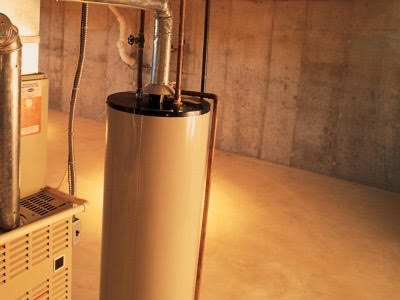 A gas water heater hums to life with a steady flame, delivering hot water at a pace that keeps up with the demands of a busy household. Faster heating recovery and lower operating costs often stand out, especially in homes with high water usage where efficiency matters. Over time, energy savings begin to surface, making gas systems appealing for long-term performance.
Yet beneath that efficiency lies a layer of complexity that cannot be ignored. Proper venting systems must safely direct exhaust gases outside, while secure gas line connections remain essential for reliable operation. Safety concerns such as gas leaks or combustion risks require careful installation and ongoing maintenance.
The decision often balances performance with responsibility, as professional expertise becomes crucial for safe operation. Licensed plumbing contractors ensure that venting, gas hookups, and code compliance meet strict standards. Without proper installation, even the most efficient system can become a liability rather than an asset.
Electric Water Heater
 An electric water heater begins its work quietly, relying on internal heating elements to warm water without combustion. Lower upfront installation costs often make this option attractive, especially in homes without existing gas lines. Safety advantages also emerge, as the absence of fuel combustion reduces risks associated with leaks or fumes.
However, convenience can shift when monthly utility bills arrive. Electricity typically costs more than gas for water heating, leading to higher operating expenses over time. During power outages, functionality halts, leaving households without access to hot water when it is needed most.
Still, simplicity remains a defining trait of electric systems. Installation requires fewer components, reducing complexity and shortening setup time. For properties prioritizing safety and ease of system maintenance, electric water heaters remain a practical and dependable choice.
Factors to Consider Before Installation
Every home carries a unique rhythm, shaped by infrastructure, usage habits, and environmental conditions. In areas where power outages occur frequently, gas water heaters provide continuity, maintaining hot water availability when electricity fails. Yet this advantage depends on the presence of a reliable gas supply and proper hookups.
Safety concerns often influence the path forward, especially in households seeking to minimize potential hazards. Electric water heaters reduce exposure to combustion-related risks, offering peace of mind in environments where gas leaks present a concern. This balance between safety and functionality plays a defining role in the decision-making process.
Long-term efficiency, installation requirements, and household priorities ultimately converge into a single choice. Professional assessment helps identify the most suitable system, ensuring compatibility with existing infrastructure and future needs. With expert guidance, the path toward reliable hot water becomes clear, efficient, and tailored to each home.
Call Air Works Heating & Air
Air Works Heating & Air is a family-owned and operated plumbing and heating service company serving Franklinton, NC, and beyond. They offer affordable services, trustworthy technicians, and 100% satisfaction guaranteed. Call them today for water heater repair and installation in Franklinton and Raleigh, NC.